In Port Louis, a rental car is often most useful for reaching the city and leaving it, while the visit itself happens on foot. Plan those two parts separately. A clear parking destination, a manageable walking programme and a realistic departure point can matter more than selecting a larger vehicle or trying to drive between every attraction.
Use your exact accommodation address and the confirmed collection point. Check current traffic, parking and access.
Decide whether the car improves the city day
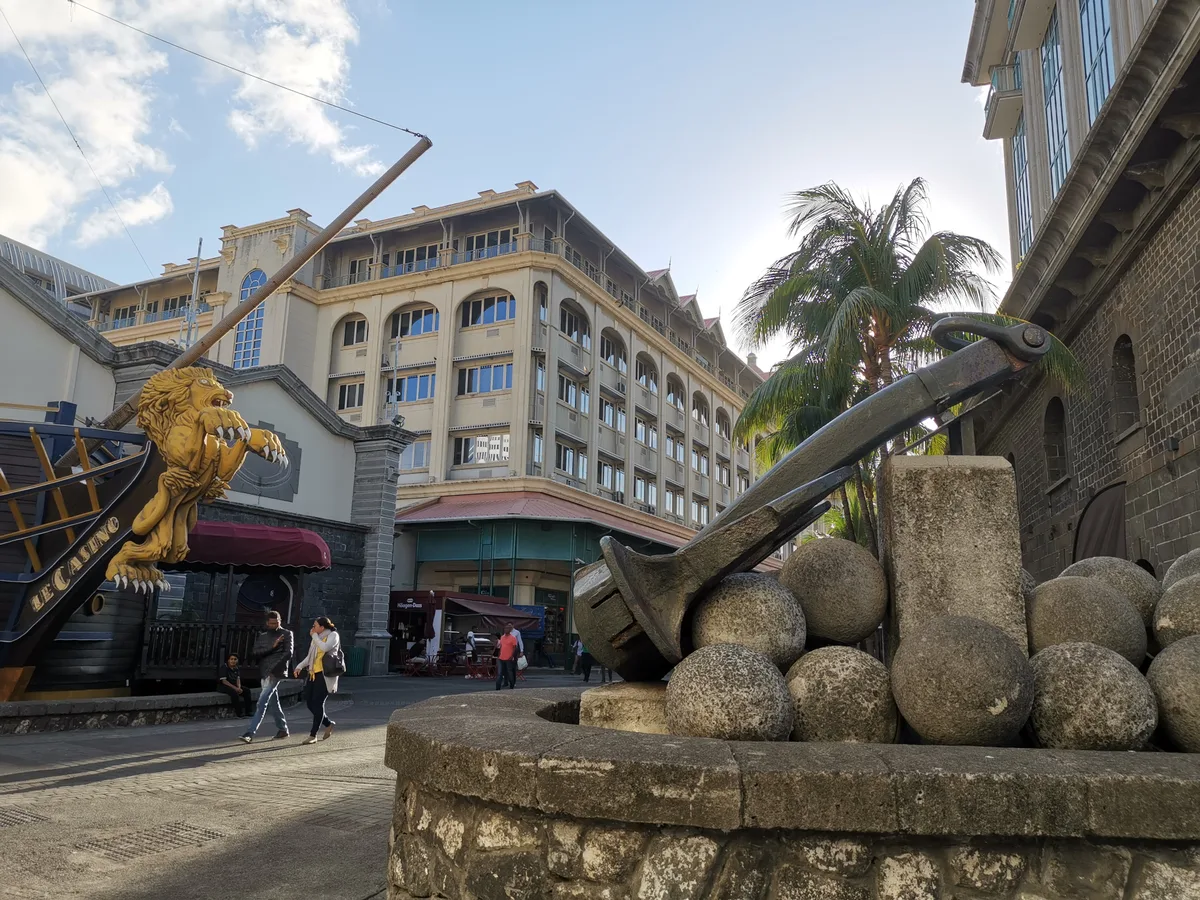
Port Louis is the capital in the northwest of Mauritius. The official tourism guide highlights the Central Market, Chinatown, Caudan Waterfront and historical places including Aapravasi Ghat. Those are reasons to allow time for exploring, not a reason to move a car repeatedly through the centre. Think about the visit as a driving approach followed by a pedestrian experience.
A rental can be helpful when your accommodation is elsewhere and you want control over departure time, or when the city visit fits within a longer hire. If you would rent solely for this day, compare suitable transfers or organised transport as well. Include the walking you expect to do from the eventual drop-off or parking place, since no transport choice removes every final stretch.
The broader Mauritius car rental guide helps compare rental arrangements, but the capital needs its own decision. Vrenty Car is an independent affiliate information site. Booking takes place through Localrent and the identified rental company supplies the vehicle; this article does not represent a Port Louis fleet, office or guaranteed city-delivery service.
Choose a parking destination before approaching
The tourism authority identifies the Caudan Waterfront as a useful place to begin exploring and notes parking there. That is a starting point for checking current access, not a promise of an available space, a fixed tariff or unlimited opening. Consult the operator's current instructions and signs on the day, and choose a fallback if the intended option cannot accommodate you.
Navigate to the actual vehicle entrance rather than to a restaurant, landmark or pedestrian waterfront label. Verify the entrance with current information where possible. A navigation service may lead close to a building without explaining how vehicles enter its car park. Do not stop in an unsuitable place while passengers search for a gate or debate a new route.
Check current street directions on the approach rather than memorising turns from a previous visit. Urban access can change and signs take priority over an old itinerary. If you miss an entrance, continue safely and reroute from a suitable place. A calm extra circuit is preferable to a sudden manoeuvre that surprises other road users.
Turn a list of sights into a walk you can manage
Select a small number of priorities rather than treating the tourism guide as a compulsory checklist. The Central Market, Chinatown and the waterfront offer different experiences, while a historical visit can need more focused time. Check current access and opening information directly for any site on which the day depends.
Consider each traveller's walking tolerance, shade needs and comfort in busy surroundings. A parking place that suits an energetic couple may not suit a family with a pushchair or someone with limited mobility. Ask the relevant venue about accessible entrances and the route from parking rather than assuming that proximity on a map guarantees a manageable approach.
Agree where to regroup if members of the party want to browse separately. One person should not be left with the only car key, no working contact method and an unclear idea of when everyone will return. Choose a recognisable meeting point and a flexible but explicit time. This small arrangement can save more effort than trying to coordinate several vehicle moves during the visit.
Shopping changes what you carry back
A car can make carrying purchases easier at the end of a city visit, but it should not become a reason to leave valuable shopping visible while you continue elsewhere. Think about when purchases happen within the day's sequence. Fragile items, food and bulky bags may be better left until nearer departure rather than carried through every stop.
If you expect substantial shopping, leave sensible covered luggage space before the journey. Do not fill every seat and then assume purchases will fit safely around passengers. Keep items clear of the driver's controls and sightlines. A boot that holds your arrival luggage may have little spare capacity if a city visit falls on an accommodation-moving day.
For a hypothetical family, the most convenient plan might be a cultural stop first, a meal and shopping closer to the return to the car. Another group may prefer a brief shopping-only visit. The useful difference is the load and the walking involved, along with the group's interests, rather than a fixed amount of time assigned to every visitor.
Business appointments need a different buffer
If your Port Louis visit includes an appointment, make that the fixed point of the day. Check the building entrance, visitor access and any specific parking instructions from your host. An address may refer to a reception that is reached differently from the vehicle entrance. Ask whether the host actually provides visitor parking rather than interpreting a building photograph as confirmation.
Allow separate time to find the entrance, park, secure belongings and reach the meeting. A navigation arrival estimate applies to the road portion, not necessarily to being seated in an office. Avoid promising to collect another traveller at the exact moment the appointment is expected to finish, especially if you do not control its duration.
When combining business and sightseeing, keep the leisure portion optional. If the appointment runs late, you should still be able to complete the drive back without rushing. Do not schedule the rental return so tightly that a delayed meeting pushes you outside the agreed period. Any extension needs supplier approval and a clear revised arrangement.
Choose a car for the whole stay, not city prestige
A compact car with suitable luggage capacity may serve an urban visit well, but the correct choice depends on every journey in the rental. If you have a large family or several cases, a smaller vehicle is not an improvement simply because parking looks easier. Compare usable dimensions, passenger access and visibility rather than relying on category labels.
Automatic transmission can reduce workload for a driver unfamiliar with left-side traffic. It does not replace checking lanes, signs and vulnerable road users or learning the actual car before departure. The Mauritius driving guide explains preparation and navigation habits that are particularly useful when a road approach becomes more complex.
At handover, confirm that mirrors and seating can be adjusted comfortably, that you understand the parking brake and that any parking aids are explained. Do not depend on a camera or sensor without knowing what it shows. If a different model is provided, inspect the practical fit rather than accepting the word upgrade as an answer to every concern.
| Reason for visiting | Planning priority | Vehicle implication |
|---|---|---|
| Market and waterfront walk | A suitable parking base and manageable route | Enough space for bags without unnecessary size |
| Business appointment | Exact entrance and time beyond road arrival | Comfort and clear navigation setup |
| Family cultural day | Walking breaks and access for the group | Appropriate restraints and easy passenger entry |
| Shopping during a hotel move | Where all luggage and purchases will go | Do not depend on unsecured passenger-area storage |
Combine a northern base with a distinct city outing
Visitors staying in the north may be tempted to add Port Louis to a beach or sightseeing day. Consider whether the city deserves its own block instead. The Grand Baie car rental guide describes a northern pattern of local evenings and selective excursions, which can work well with one deliberately planned capital visit.
Choose the approach using current navigation from your exact accommodation and account for traffic variability. Check the route again before leaving and allow for the time spent entering parking and reaching the first stop on foot. If the group wants a relaxed city walk, leaving flexibility around the drive is more useful than choosing an optimistic arrival estimate.
For a hypothetical couple, an independent city day might mean arriving at their chosen parking, walking to a few priorities and returning directly to the accommodation. Adding a northern cultural stop could be reasonable only if it remains genuinely optional. Do not assume that a short island map makes an urban visit and several scattered attractions effortless companions.
For a garden-focused alternative, plan a Pamplemousses Botanical Garden visit by car and keep Port Louis as an optional second stop rather than combining two rushed visits.
Do not use the city as a luggage holding area
A rental car carrying every suitcase is less convenient for an extended city visit than it may first appear. You need appropriate parking, a manageable load and a decision about valuables. If the visit falls between hotels, ask one of the properties for a confirmed storage arrangement before planning to leave the vehicle for several hours.
A shopping centre or car park is not automatically a left-luggage service, and supervision of a parking area does not guarantee protection for belongings. Keep important documents accessible when needed but out of casual view. Avoid posting or sharing photographs of rental documents, vehicle keys or booking details while arranging meetups.
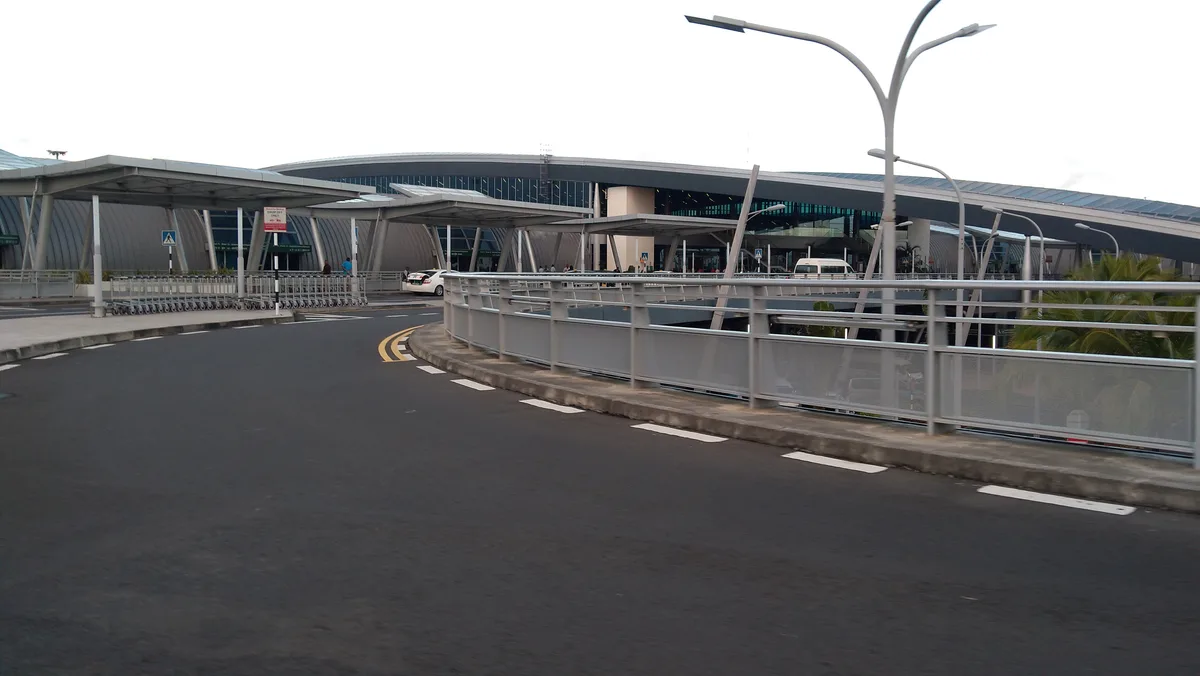
If Port Louis is planned before an airport return, the MRU handback guide helps separate the city departure from the supplier inspection and terminal arrival. Consider moving the visit to another day if the plan depends on storing everything in the vehicle and then making a tightly timed drive. Convenience should be assessed across the whole journey.

Parking payments and rental payments are different
Read the actual parking instructions and keep the ticket or payment reference required by the operator. A parking fee is not necessarily included in your rental price, hotel arrangement or attraction admission. If a supplier asks you to meet inside a paid area, clarify beforehand who handles the charge and how the vehicle will leave.
Do not confuse the card used for parking with the card required by the rental company. The latter depends on the offer's balance and security conditions. A payment terminal accepting a card in one place says nothing about whether that card satisfies the supplier's main-driver or deposit requirements.
If preserving available card funds matters, read the Mauritius no-deposit guide before choosing an offer. It explains why a smaller or absent security hold does not remove the insurance excess or other contractual responsibilities. Keep the rental agreement and parking receipts organised separately so any later question can be matched to the correct transaction.
Finish the day before fatigue makes the decisions
After a city walk, heat, shopping and unfamiliar surroundings can leave the driver more tired than expected. Make a conscious decision about the return before starting the engine. Take a break, organise bags and set the route while parked. A passenger can assist with directions, but instructions should be calm and early rather than conflicting at the last moment.
Watch current weather information and official warnings if conditions deteriorate. A rental does not require you to continue an optional visit or drive through flooding to preserve the original schedule. Contact the supplier if a return arrangement is affected, and obtain confirmation of any revised plan. Do not rely on a message being sent as proof that a change has been accepted.
Before leaving the parking space, check for belongings around the car and make sure every passenger is ready. Re-establish left-side positioning when joining the road, particularly after a long period walking. The simplest successful city day is often one with a clear arrival, a rewarding walk and an unhurried return, not one that maximises the number of times the vehicle is moved.
Plan a Mauritius drive to the sacred lake, separate parking from temple access and leave room for weather and worship. See the Ganga Talao by Car: A Respectful Grand Bassin Visit.
Questions & answers
Is driving necessary to explore central Port Louis?
A car can be useful for reaching the city from another base, but many visits are better organised around parking and continuing on foot. Assess the actual route and your party's mobility. Renting solely for the city day deserves comparison with other suitable transport.
Can I rely on parking at Caudan Waterfront?
The official tourism guide identifies it as a parking option, but check current entrances, conditions and availability. That reference is not a reservation or a guarantee of space. Have an alternative and follow the signs in force when you arrive.
Does this guide give a one-way street route?
No. Street directions and access need current verification. Navigate to a confirmed vehicle entrance and follow local signs. If you miss a turn, continue safely rather than attempting a sudden correction based on an older map or article.
Can I fit the city visit before a flight?
Only with a realistic plan for luggage, the drive, fuel, supplier handback and airline requirements. Keep a firm departure time and drop optional stops if conditions change. Do not use a fixed travel-time claim as a substitute for current planning.