You cannot drive onto Ile aux Aigrettes. The useful role of a rental car is to get your party to the mainland departure point and collect you again after the guided visit. That distinction matters when choosing a tour, arranging parking and deciding whether the outing fits between other commitments. Treat the day as three separate journeys: the road approach, the boat transfer and the walk on the island. This guide helps you coordinate them without confusing a car reservation with an excursion booking or assuming that a nearby airport makes a last-minute visit practical.
Choose the reserve visit, not just an island name
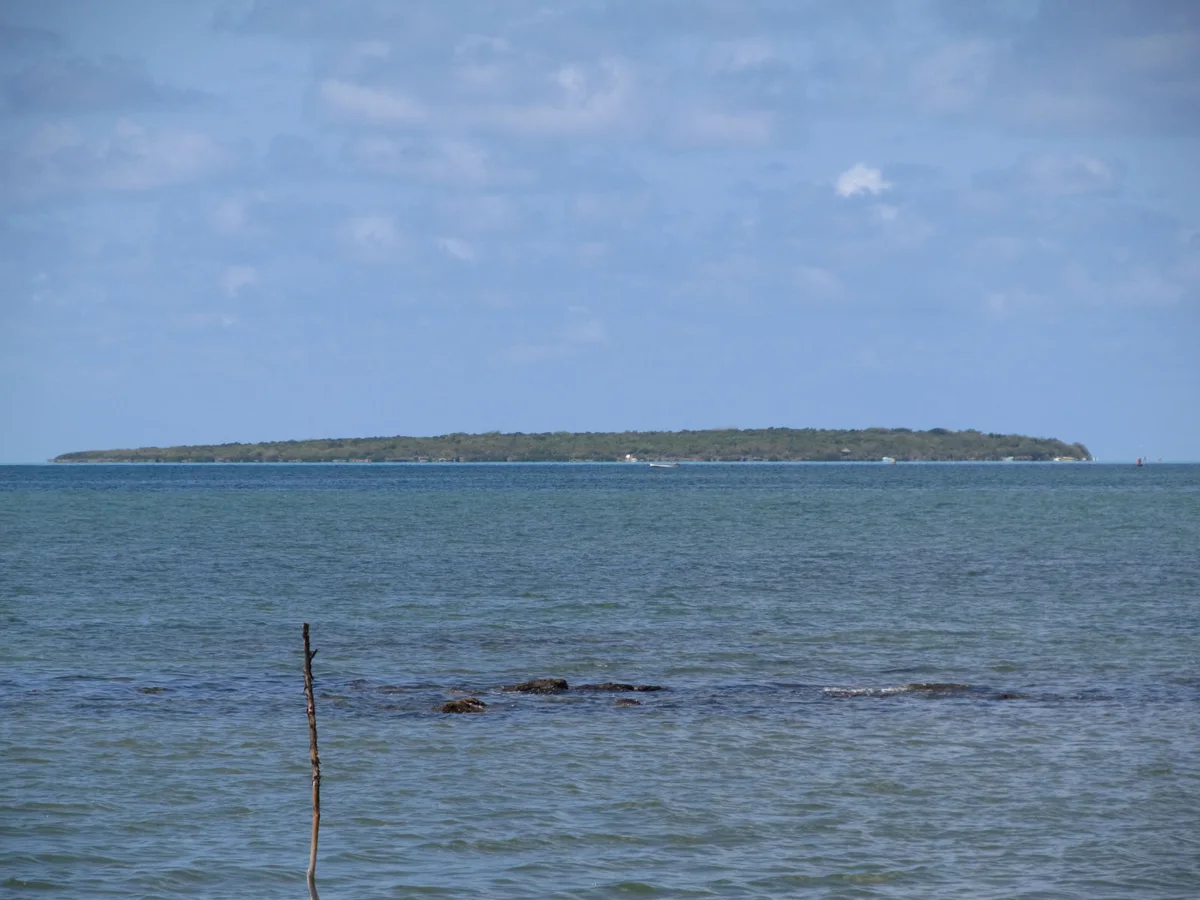
The Mauritian Wildlife Foundation describes Ile aux Aigrettes as a small reserve in Mahebourg Bay. Its standard ecotour combines a guided walk with a short return boat transfer; the walking visit is approximately one and a half to two hours. This is a conservation-focused outing, not an invitation to take your own vehicle or wander around independently. Start with the Foundation's visitor information and select the actual tour before working out your driving schedule.
The official tourism board also identifies the island as a restored habitat for rare native wildlife. That explains the emphasis on a guided visit, but it does not guarantee that you will see a particular species. Choose the outing because you are interested in the reserve and its conservation work. If your group mainly wants swimming or a beach afternoon, discuss that difference before buying tickets rather than expecting the guide to turn the reserve visit into a different activity.
Do not confuse Ile aux Aigrettes with Ile aux Cerfs or the wider selection of offshore excursions advertised around Mauritius. Save the full attraction and operator names alongside the date. A screenshot containing only a departure time and the word island can be surprisingly unhelpful when several people have been researching different tours.
Confirm the mainland meeting point before navigation
Pointe Jerome in the Mahebourg area is identified in the Foundation's published information as its mainland booking and departure base. Nevertheless, use the meeting instructions attached to your own confirmed excursion. The first map result for the reserve may be a pin on the island rather than the place where you should arrive with a car. Ask for the land-side entrance or meeting pin, the required arrival time and how to identify the representative.
Save the location before leaving your accommodation and make it available to another member of your party. A passenger can check the confirmation while the driver concentrates on the approach. If a mapping app offers an unfamiliar last stretch, compare it with the operator's instructions instead of treating the shortest line on the screen as permission to use a track or private entrance.
There are two different questions to resolve: where passengers report for the excursion and where the vehicle may remain during it. The answers may not be identical. Ask the tour operator about suitable parking and any access restrictions, then follow current signs on arrival. This guide does not promise a reserved space, free parking, security supervision or storage for bags.
Build a schedule around the confirmed boat departure
Start with the reporting time on the confirmation, not the advertised duration of the walk. Work backwards to include the road journey from your actual hotel, finding the meeting area, parking and getting everyone ready. Then add a realistic buffer for unfamiliar junctions and ordinary delays. A route estimate that ends at a map pin does not include those arrival tasks, and the boat cannot be assumed to wait because your navigation predicted a quicker trip.
For a flexible sightseeing day, an early confirmed visit can leave the afternoon uncommitted. A later visit may suit a nearby accommodation better, provided you have checked the return arrangements. Neither is automatically the best choice for every visitor. Compare the departure with your group's breakfast, walking preferences and travel distance, and choose the slot that leaves room around the excursion rather than compressing everything into a narrow gap.
Keep one person responsible for the final confirmation. When several travellers each contact a different seller, it becomes easy to mix a provisional enquiry with a paid booking. Record the operator, passenger names, meeting instructions, included transfers and the contact method for changes together. Do not assume that a general enquiry guarantees places on a particular departure.
Price the excursion and the car separately
The Foundation's published FAQ, checked on 31 October 2026, lists a public adult rate of MUR 1,000 and MUR 500 for children aged four to eleven, with children up to three listed free. It also lists separate Mauritian rates. Treat these as dated reference information and confirm the applicable category, inclusions and final amount with the operator when booking. A resident price should not be used to budget for an international visitor without checking eligibility.
For illustration, two adults and one child aged eight would total MUR 2,500 at those published public rates. That arithmetic is not a package quotation: it excludes the rental vehicle, road fuel, any parking charge, meals and anything the booking does not include. If a seller offers a different combination, compare the same passengers and inclusions rather than declaring one price cheaper from its headline alone.
Write the two bookings on separate lines in your budget. One pays for transport on Mauritius; the other pays for the island activity. Also keep their amendment and cancellation conditions separate. A change to the excursion does not automatically amend the rental, and returning the car earlier does not automatically generate a refund. Obtain each provider's applicable terms before committing to a tightly linked plan.
Match the rental to the mainland part of the day
Choose passenger and luggage capacity for the journeys you will actually drive. A larger vehicle is not a solution to the boat or walking part of the excursion. If you are staying nearby and this is your only outing, compare a prearranged return transfer with a rental. If the car is already useful for several days of independent travel, the reserve visit can be one planned stop without requiring a special vehicle category.
Localrent's Mauritius terms restrict rental use to paved public roads. Do not follow a rough shortcut simply because the destination appears close. Check the selected vehicle's driver requirements and payment arrangements before collection; a no-deposit option does not by itself remove a card requirement or responsibility for damage. The individual offer and voucher remain important even for a relatively short road journey.
For a wider comparison of self-driving and arranged transport, use our rental car versus private driver guide. Make the decision for the whole stay, rather than hiring a car solely because an attraction has by-car directions. The Mauritius vehicle catalogue lets you compare dates and offers when self-driving fits that plan; it does not book the ecotour.
Pack for a boat and a guided walk, not a drive-through
Prepare a small day bag before leaving your accommodation. Keep the excursion confirmation, necessary personal items and a charged phone accessible without unpacking the entire boot at the meeting point. Choose footwear and clothing for the walking visit and forecast, then ask the operator about any specific requirements. A long drive in comfortable sandals does not establish that the same footwear is appropriate for the guided route.
Before booking for someone with limited mobility, explain their needs to the operator and ask about the boat boarding arrangement, surfaces, walking distance and places to rest. The ability to park near a departure point says nothing about access after that point. A short published duration is not an accessibility assessment. Similarly, discuss young children's participation and any equipment needed with the excursion provider rather than relying on a general family-friendly label.
Keep a clear division between items needed ashore and items needed on the island. Ask about luggage arrangements if you are travelling between accommodations. Do not assume that the tour office can store suitcases or that leaving valuables in a parked car is an acceptable substitute. The simplest option is often to arrange the visit on a day when your main luggage can remain at your accommodation.
Keep Blue Bay and Mahebourg as optional additions
A mainland car makes it possible to continue after the excursion, but you do not have to schedule a second paid activity. Consider a meal or an unhurried town visit once you know how the group feels. The Mahebourg guide helps place the outing within a southeast-coast stay. It is a useful continuation for planning, not evidence that a particular restaurant, parking space or attraction will be available when your boat returns.
Blue Bay is a separate marine destination, not another name for the reserve. Our Blue Bay arrival guide explains that different outing. Decide whether combining two activities actually suits the group, including time to change equipment and reach another departure point. A second booking with a strict reporting time can turn a relaxed afternoon into a dependency on the first excursion finishing exactly as expected.
For an illustrative plan, reserve the island visit as the day's only fixed sightseeing appointment and leave lunch and a short mainland stop flexible. If the return is later or the group is tired, remove the optional stop. This is a planning example rather than an operator itinerary; it deliberately avoids assigning an unverified boat timetable or a guaranteed driving time.
Do not treat the excursion as an airport waiting room
The southeast location can tempt travellers to put the reserve visit immediately before a flight. That creates several separate deadlines: the boat return, reaching the parked car, the drive, fuel and rental handover, then the airline's requirements. The fact that two destinations look close on a map does not eliminate a delay at any of those stages. Prefer a different day when the excursion would otherwise leave only a narrow margin.
If your itinerary nevertheless includes travel afterwards, first establish the non-negotiable latest time for leaving the meeting area and discuss the plan with the operator. Do not assume that an excursion return time is a transport guarantee. Build your airport process independently, with the supplier's actual handover instructions rather than a generic terminal pin. Dropping passengers at departures and returning a rental vehicle are different tasks.
Keep the supplier and excursion operator's contacts distinct. A message to the tour office does not extend your car hire, and a message to the rental company does not move the boat departure. If either arrangement changes, coordinate with the affected provider before relying on a new schedule. An extra driving buffer is useful, but it cannot make an incompatible pair of bookings compatible.
Respond to weather and operator changes
Check the Mauritius Meteorological Services forecast and warnings before setting out, and confirm the excursion's operating status through the provider. Do not infer that a boat trip is running because the road journey looks possible, or that a forecast for your hotel describes conditions at the departure point. When the operator changes the visit, obtain the revised meeting details and applicable booking options directly.
Localrent's Mauritius terms prohibit using the car during floods and cyclones of category three or higher. A sightseeing plan is not a reason to ignore a warning or continue into unsuitable conditions. Keep an alternative day available where possible. If the island visit cannot go ahead, choose an appropriate mainland activity only after checking its own access and the route, rather than automatically substituting another exposed coastal outing.
At the end of the visit, make the return drive a fresh decision. Check your next destination, retrieve the correct parking location and allow everyone to settle before departure. A calm mainland arrival and an unhurried return are the useful contributions of the rental car; the guided reserve experience remains a separate part of the day.
Questions & answers
Can I take a rental car onto Ile aux Aigrettes?
No. Plan to leave the car on the mainland and use the boat arrangements for the confirmed guided visit. Check the meeting point and parking separately.
Does a car booking include the reserve excursion?
No. Confirm the island tour independently with its operator, including the passengers, departure, transfers and applicable terms.
Is parking guaranteed at Pointe Jerome?
This guide does not guarantee a parking space or price. Ask the operator where your vehicle may remain and follow the current local signs.
Should I book it immediately before my flight?
Avoid a tightly timed combination. The boat return, road journey, rental handover and airport formalities each need their own allowance; a separate sightseeing day is simpler.