A car solves the journey to Black River Gorges, but it does not solve the journey back from a walking trail. That distinction is the most useful place to start. Choose between a viewpoint-led outing, a walk returning to the same parking place, and a traverse with separately arranged transport. Each can make a rewarding Mauritius day; each needs a different arrival plan. This guide helps you match the park visit to your accommodation base and rental conditions without treating a forest footpath as a driveable shortcut.
One national park, several different arrival decisions
Black River Gorges lies in southwest Mauritius. The National Parks and Conservation Service describes a protected landscape containing wet upland forest and drier lowland forest. A single map pin labelled with the park's name cannot tell you which side serves the experience you want. Start with a named visitor centre, viewpoint or trail departure, then work backwards to the road journey. Do not ask navigation simply to take you to the middle of the green area.
Petrin and Lower Gorges are distinct visitor information locations, not alternative spellings for one car park. The official trail list also uses Plaine Champagne and Alexandra as starting or finishing places. Save the exact name used in your selected route information. If someone else arranges a transfer or meets you afterwards, send that precise location rather than the general national-park label.
For an independent visit, make a small arrival note containing the road destination, the intended activity and where the car will be at the end. This is particularly valuable when one traveller manages navigation and another has researched the walk. Resolve discrepancies before departure: a picturesque viewpoint, a trailhead and a visitor office may all appear in the same search results without serving the same plan.
Choose a viewpoint day before choosing a trail
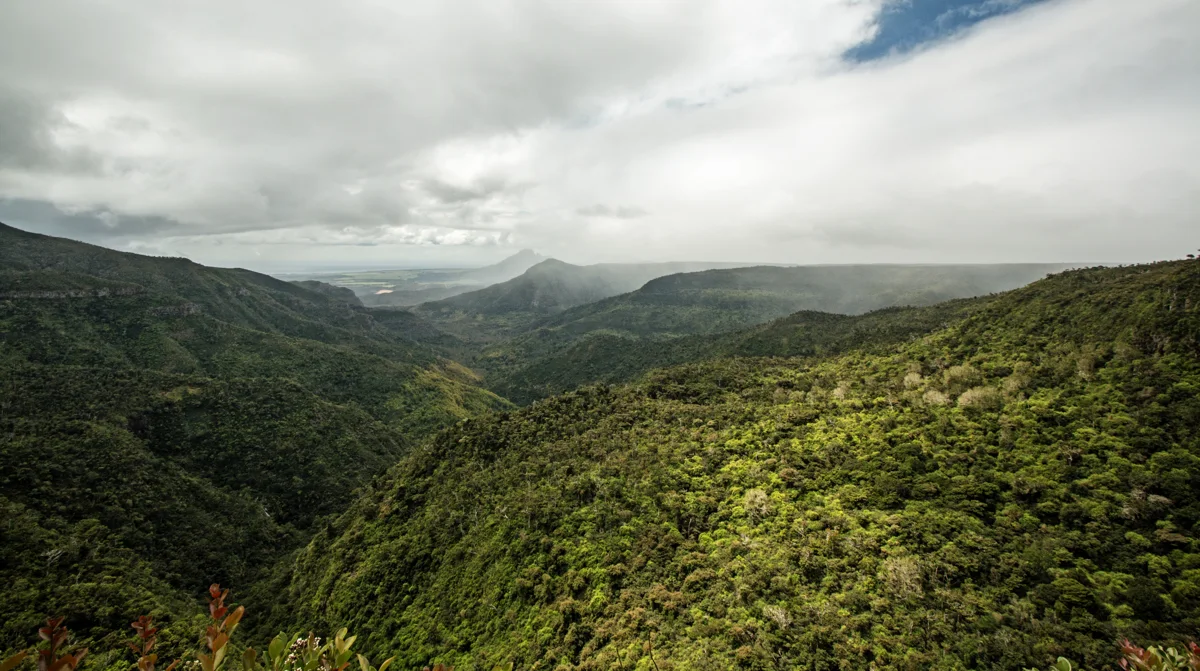
A viewpoint-led day is a valid visit in its own right. You can plan a scenic road approach and short stops without committing everyone to a substantial hike. The important limitation is that road access does not describe the final walking surface. Ask about the actual route from the permitted parking area to your intended viewpoint if steps, slopes or uneven ground matter to anyone travelling.
Keep the plan to a small number of named stops. At each one, allow time to park properly, find the visitor route and return to the vehicle. A navigation estimate usually describes driving, not these transitions. Two places that look close on a map can still consume much of a morning once you include photographs, weather changes and a relaxed walking pace.
Do not turn a short viewpoint stop into a hike simply because a path continues beyond it. Before following a trail, establish its destination and the work required to return. A sign pointing towards another landmark is not a promise of a short circular route. If the group came equipped for brief stops, stay with that decision and plan a separate walking day when everyone has suitable preparation.
A loop and a traverse have different transport needs
The official park table distinguishes the Machabee Forest Loop, a 14-kilometre return route from Petrin, from the Machabee Trail, a 10-kilometre route between Petrin and Lower Gorges. It rates the former moderate and the latter strenuous. Those descriptions should not be converted into a guaranteed finishing time. They do show why selecting the shortest number without reading the endpoints can create a transport problem.
With a return walk, the planning question is whether everyone can complete the route and reach the parked car within the available daylight and access arrangements. With a traverse, the question includes how to get back to the vehicle or onward to your accommodation. Do not assume you will find an available taxi, shuttle or willing driver at the far end. Arrange the connection before committing to a one-way walk.
For a hypothetical group of four, leaving one rental at Petrin and walking to Lower Gorges puts all four people away from their car. A prearranged transfer might resolve that, but its meeting place, waiting arrangement and price need confirmation. Renting a second car creates a different logistical commitment and does not eliminate the need for authorised drivers. A simpler return route may suit the group better.
Start from your actual accommodation entrance
A west-coast base and an east-coast resort create different days even when the park visit is identical. Compare the journey from your real property entrance to the chosen arrival point and then the return separately. Avoid borrowing somebody else's driving time from a different town. Private approaches, traffic and the route chosen by navigation can change the practical shape of the outing.
From an east-coast stay, protect enough time for the cross-island journey before promising a long hike or several additional stops. The Belle Mare car-rental guide considers when a car is useful beyond the resort. Black River Gorges is one possible independent inland day, not a compulsory extension of every beach holiday. If the transport consumes more energy than the visit offers, a closer outing or organised excursion may be preferable.
Do not make a hike the centre of an airport-departure day. The drive back, fuel arrangement, rental inspection and flight formalities are separate commitments. A return deadline can encourage a rushed walk or drive when conditions change. Prefer a day with an ordinary accommodation return, and keep any checkout-to-check-in luggage move separate from a visit that leaves belongings unattended for hours.
Keep the rental on roads it is permitted to use
Localrent's Mauritius rental terms restrict vehicles to paved public roads. That rule is relevant even when a navigation application offers a shorter route or a destination photograph shows vehicles nearby. A forestry track, trail or private approach is not made permissible by selecting an SUV. Before booking, send any uncertain final approach to the actual supplier and ask whether the planned use is allowed.
A park road and a walking route should be treated as different parts of the itinerary. Save the vehicle destination separately from any walking map. If navigation appears to lead beyond a signed public approach, stop in a safe permitted place and reassess. Do not continue merely because the destination remains a short distance away on screen. Current signs and access instructions take precedence over an old saved route.
For broader preparation, use the Mauritius driving guide. This outing does not require turning a normal rental into an expedition vehicle. The practical benefit is reaching a lawful stopping place comfortably, then leaving the vehicle while you visit on foot. If your chosen activity depends on access that the supplier cannot approve, change the activity or arrange a suitable separate service.
Weather changes the visit, not just the view
Check Mauritius Meteorological Services close to departure. Its forecast and warning pages are more useful for today's decision than a general claim about the best season. The park's upland and lowland settings can differ, so conditions at a coastal hotel do not settle conditions at your chosen entrance. A cloudy view can be disappointing; a warning affecting travel requires a different decision altogether.
Localrent's Mauritius conditions prohibit rental use during floods and cyclones of category three or higher. Follow official warnings and the supplier's instructions. Do not enter water covering a road, use another vehicle's passage as a test, or take an unapproved track to avoid a disruption. Contact the supplier if collection or return arrangements are affected, keeping any agreed changes in writing.
For a walking plan, ask the park about current access and conditions rather than treating a published route description as a live clearance. Give the day a clear fallback: a shorter authorised visit if appropriate, or postponement. Do not replace a cancelled hike with a succession of hurried drives simply to justify the rental. The useful flexibility of a car includes deciding not to make the outing.
Check office hours, road access and walking access separately
An information office can be closed while other access arrangements follow different rules. Conversely, a website listing an office schedule does not establish that a particular trail is open. The parks service has published dated notices about visitor-centre closures, which illustrates why an old screenshot is a poor basis for today's plan. Check current notices and ask about the specific date, entrance and activity.
When contacting the park, make the question concrete: where should a visitor arriving by car go, what access restrictions currently apply, and what time must the vehicle leave? If you need advice from a staffed centre, confirm when that service is available as well. This separates three decisions that generic opening-hours listings often collapse into one number.
Keep a copy of the current instructions with your route. Mobile reception or a working data connection should not be the only way to retrieve the name of the car park and your return arrangements. Charge the phone before leaving and share the intended outing with someone who is not relying on the same device. That is ordinary trip preparation, not a substitute for appropriate walking experience.
Park for the activity you actually intend to do
Use designated visitor parking and follow the signs present on arrival. This guide does not promise free parking, an available bay or supervision. For a longer walk, establish whether the place permits the full intended stay and whether a gate or access road has a departure deadline. A convenient roadside space is not automatically a legal or suitable place to leave a rental for the afternoon.
Before walking away, record the parking location and take the keys with the person responsible for the vehicle. Avoid leaving passports, electronics and visible luggage behind. Keep necessary walking items ready so you do not spend time repacking in a traffic lane. If one person remains with the car, make sure everyone understands the return meeting and that it does not require an unauthorised driver to relocate the vehicle.
When you return, pause before beginning the road journey. The driver may be more tired than expected, particularly after a route that took longer than planned. Allow a comfortable break and reduce optional stops. If sharing the driving is part of the plan, arrange the additional driver with the supplier in advance rather than assuming another licensed passenger can simply take over.
Combine with Chamarel only when the day has room
Chamarel appears frequently in southwest itineraries, but it should not be treated as another entrance to the national park. The Chamarel driving guide explains its separate waterfall and coloured-earth visit. Admission, vehicle access and time on foot need their own checks. A national-park plan does not establish what is included in a separately operated attraction ticket.
For a viewpoint-led outing, an additional visit may be practical after checking current routes and schedules. For a substantial hike, make the hike the main event. Decide before departure which extra stop is optional and avoid prepaid commitments that leave no flexibility. A useful decision point is the return to the car: assess daylight, the group's energy and the remaining drive before continuing.
Compare this with an organised excursion on its actual itinerary. Does it offer brief viewpoints or a guided walk? Are transfers and any separate admissions included? A tour called a southwest discovery day may not provide the same park experience you intended. Equally, a rental does not include a hiking guide. Choose the service that fits the activity rather than comparing only the number of named attractions.
A simple booking and departure sequence
First settle the visit type and arrival point. Then compare the complete transport arrangement: rental period and collection, fuel, any separately charged services, and the return from the activity. Use the Mauritius car catalogue with your actual dates once those decisions are clear. Vrenty Car is an affiliate guide; Localrent handles the booking and the selected rental company supplies the vehicle and its conditions.
Before payment, distinguish the online advance, remaining rental charge and security deposit. No-deposit availability does not itself establish freedom from card requirements or damage responsibility. Read the chosen offer rather than applying a general destination claim to every vehicle. Keep a separate record of any guide or transfer booking, because changing the car reservation does not automatically change those services.
On departure, check the weather, current park access, permitted approach and the route back to the same car. Carry what the chosen walk requires and leave enough flexibility to shorten the day. Black River Gorges works well as a deliberate visit: one suitable arrival point, a realistic activity and a clear return plan. The best itinerary is the one everyone can complete comfortably, not the one that covers the most map pins.